
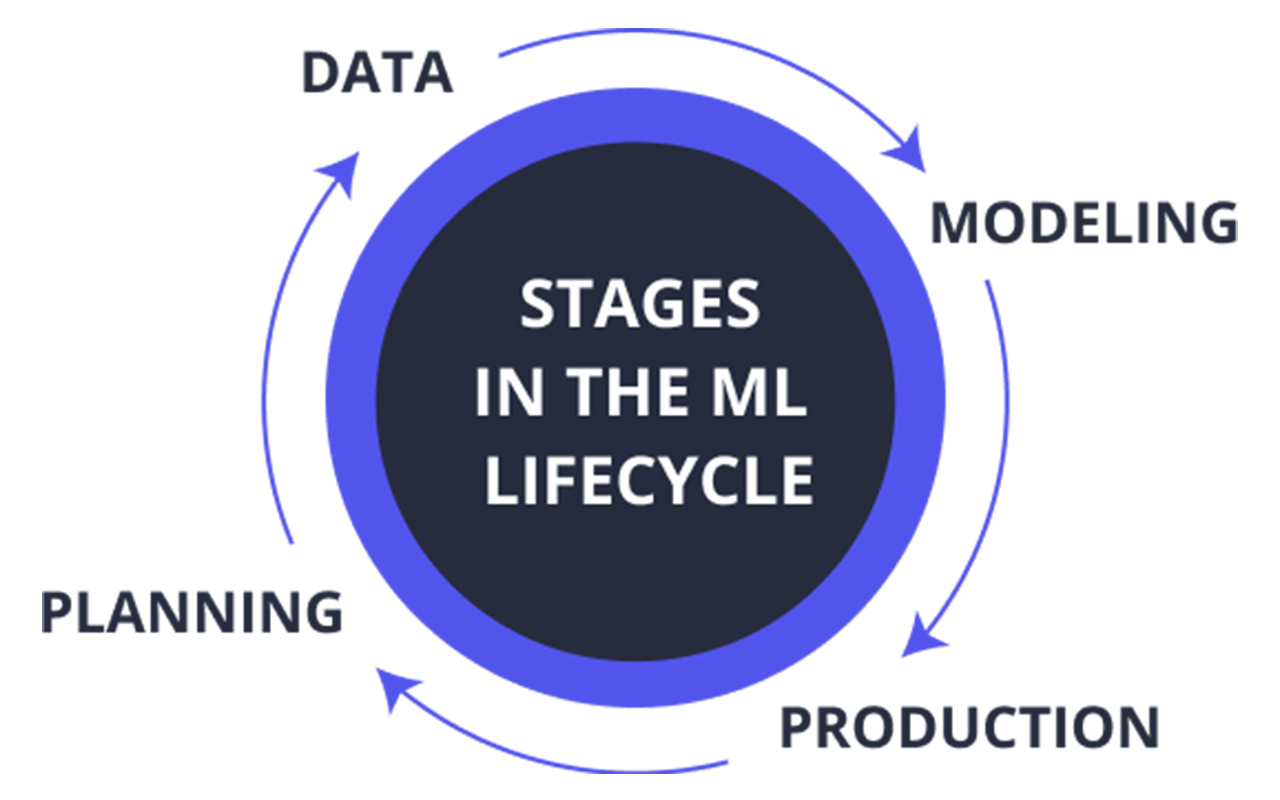
In today's AI-driven landscape, enterprises no longer just train models they operationalize them. And when it comes to deploying machine learning (ML) at scale, two cloud platforms dominate the conversation: Amazon SageMaker and Azure Machine Learning (Azure ML).
Both platforms promise to simplify the end-to-end ML lifecycle from data prep and training to deployment and monitoring but they take different approaches, integrate with different ecosystems, and come with different cost structures.
The Evolution of Cloud Machine Learning Platforms
Machine learning once required a team of researchers and complex on-prem infrastructure. Today, organizations can spin up scalable ML environments in minutes. These platforms serve to make it faster, easier, and cheaper to build, deploy, and manage models at scale.
AWS SageMaker: The AWS-Native AI Powerhouse
Launched in 2017, SageMaker offers a fully managed environment with integrated Jupyter notebooks, built-in algorithms, and end-to-end automation. It is designed for developers who want to move from experimentation to production seamlessly with AWS-native reliability.
Azure Machine Learning: Microsoft's Enterprise AI Platform
Azure ML focuses heavily on collaboration, automation (AutoML), and governance. It is ideal for enterprises already invested in Microsoft's ecosystem (Power BI, Azure DevOps) or those prioritizing responsible and explainable AI.
The Core Architecture: How They Work
| Workflow Stage | AWS SageMaker | Azure ML |
|---|---|---|
| Data Storage | Amazon S3 | Azure Blob Storage |
| Compute | EC2, Training Jobs | Azure Compute, AKS |
| IDE | SageMaker Studio | Azure Studio / VS Code |
| Deployment | Endpoints, Lambda, Edge | AKS, ACI, IoT Edge |
Ease of Use and User Experience
🟡 AWS SageMaker: Powerful but Complex
SageMaker is feature-rich but has a steeper learning curve. SageMaker Studio integrates everything but requires familiarity with AWS infrastructure. Best for teams comfortable with AWS seeking maximum flexibility.
🔵 Azure ML: More Visual and Collaborative
Azure ML offers a guided interface via the Designer (drag-and-drop) and integrates with VS Code. Best for enterprise teams with mixed technical skills or Microsoft 365 users.
Feature Comparison: End-to-End Capabilities
- AutoML: SageMaker Autopilot vs. Azure AutoML.
- Feature Store: Both offer robust, built-in feature management.
- Explainability: SageMaker Clarify vs. Azure's Responsible AI Toolkit.
- Monitoring: Both provide real-time model and data drift detection.
Automation and MLOps
SageMaker excels in end-to-end automation with deep AWS DevOps integration (Pipelines, Model Registry). Azure ML offers easier setup for enterprise teams already using Azure DevOps, with a strong focus on the Responsible AI Dashboard.
Pricing Comparison
Both use pay-as-you-go models. SageMaker can be slightly more expensive but scales well for heavy workloads (Savings Plans available). Azure ML is often more cost-efficient for small-to-medium workloads and batch inference (Hybrid Benefit available).
Integration and Ecosystem
AWS SageMaker: Seamless with S3, Lambda, Glue, and Redshift. Ideal for AWS-centric environments.
Azure ML: Deep integration with Power BI, Data Factory, and Microsoft 365. Excellent for hybrid or enterprise-wide Microsoft stacks.
Security, Compliance, and Governance
Both meet enterprise standards (HIPAA, GDPR, SOC 2). Azure leads in built-in Responsible AI tools, while AWS offers deeper network and identity customization via IAM and VPC.
Performance and Scalability
SageMaker excels at real-time, low-latency scenarios using Elastic Inference. Azure ML shines in batch inference and hybrid cloud setups via Azure Kubernetes Service (AKS).
When to Choose Each Platform
Choose SageMaker if: You are AWS-first, need maximum control, and require high-frequency real-time inference.
Choose Azure ML if: You are Microsoft-first, prioritize governance/fairness, or need collaborative workspaces for mixed-skill teams.
The Verdict: Which Should You Choose?
The "better" choice depends on your infrastructure and team culture. SageMaker is for builders who want control and automation. Azure ML is for enterprises that want collaboration and accountability.
Final Thoughts
In 2025, the future of AI infrastructure isn't about picking a single platform it's about building flexible, interoperable systems that grow with your business. Both AWS and Azure offer world-class capabilities to power your ML journey.